

Philodendron Moonlight : When Neon Green Becomes a Design Language for Modern Ornamentals
- นภสร ตาปะสี
- Apr 25
- 3 min read

In today’s foliage plant world, some plants stand out not because they are difficult to find in nature, but because they seem almost perfectly made for modern life. Philodendron ‘Moonlight’ is one of those plants. It was not taken straight from the rainforest and turned into a houseplant by chance. It is a cultivar shaped through breeding and selection to combine vivid color, a clean architectural form, manageable care, and strong consistency in commercial production. In that sense, its success says as much about the modern ornamental industry as it does about the plant itself.

The name matters here. Moonlight is not a species name, but a cultivar name, which is why the plant should properly be written as Philodendron ‘Moonlight’. That detail immediately places it in a different category. It is not simply another philodendron from the wild, but a cultivated result of breeding aimed at ornamental performance. It is also a self-heading philodendron, meaning it grows as a compact clump rather than climbing or trailing. That alone explains much of its popularity: it is naturally suited to life in pots and indoor settings where structure, balance, and manageable size matter.
Its background is tied to the history of self-heading philodendron breeding in Florida, especially to work associated with Bob McColley and Bamboo Nursery, which helped shape the modern world of hybrid ornamental philodendrons. Moonlight belongs to that lineage of plants created not simply for novelty, but for elegance and practicality at the same time. It is the botanical equivalent of a well-designed object—something visually memorable, but also useful and adaptable in everyday space.
Its most striking feature is its color. New leaves emerge in a bright chartreuse tone, almost a glowing neon green, before gradually maturing into a richer green. That shifting color gives the plant its own built-in visual rhythm, even without variegation or unusual leaf mutations. In interior spaces, this becomes especially effective. Moonlight acts like a natural point of brightness, making a room feel fresher and more alive even without flowers.
Its form strengthens that effect. The plant stays full, upright, and composed, with leaves rising neatly from the center. That makes it highly suitable for desks, corners, shelving, and indoor design settings where space is limited but visual impact is still important. Some evidence also suggests that it performs relatively well under modest indoor light levels and adapts to both air-conditioned and non-air-conditioned interiors. That is one of the key reasons it has become such a useful ornamental plant in real living and working spaces.
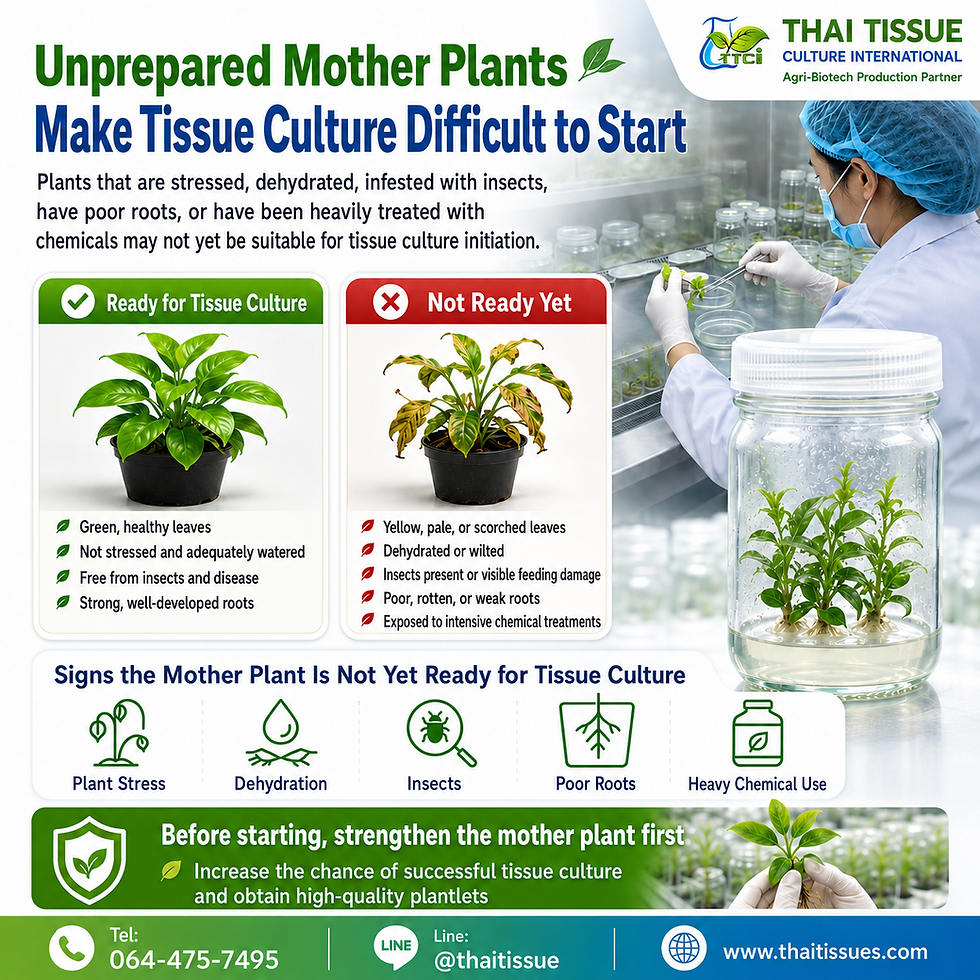
At the same time, Moonlight is also a clear example of how the modern ornamental plant industry works. While hobby growers may divide offsets by hand, large-scale production depends heavily on tissue culture. A cultivar like this needs consistency in shape, color, and overall quality. That consistency does not happen by accident. Tissue culture is one of the main reasons Moonlight can move beyond niche plant circles and become a reliable commercial product.
It is often confused with Philodendron ‘Lemon Lime’, largely because both share bright green tones. But Moonlight belongs to a different horticultural background and should not be treated as just another lime-colored philodendron. That distinction matters because understanding this plant properly means seeing it not only as an attractive houseplant, but as a product of breeding history and commercial design.

Of course, it is not without its problems. Like many tropical aroids, it is vulnerable to overwatering, root rot, mealybugs, scale, spider mites, and bacterial leaf spot in poor conditions. It also contains calcium oxalate crystals, making it potentially irritating to skin, mouth, and pets. So while it is often described as easy-care, it still requires a grower who understands its basic needs.
One final point worth addressing is the common claim that Moonlight helps purify the air. Like many houseplants, it may contribute to how fresh and pleasant a space feels, but in practical terms its real-world effect on air quality is far smaller than good ventilation. Its strongest contribution is not as a substitute for building systems, but as a plant that makes indoor spaces feel calmer, softer, and more human.
Ultimately, Philodendron ‘Moonlight’ is more than a beautiful tropical plant. It represents a shift in what the ornamental plant market values. It is not celebrated simply because it is exotic, but because it is visually striking, spatially useful, easy to produce consistently, and well suited to indoor life. If one plant captures the move from wild nature to intentional ornamental design, Moonlight is one of the clearest examples.


Comments