

Pet-Friendly Guide: Dangerous Plants Your Owners Must Avoid, Plus Ideas for a Safe Garden for Your Little Friends 🏡
- ศรุตา แนบกลาง
- Dec 11, 2025
- 3 min read

Updated: Dec 12, 2025
What if the flourishing greenery you nurture secretly turns into "poison" without you knowing? The trend of growing Indoor Plants and Tissue Culture Plants is soaring in popularity. However, for "Dog and Cat Owners," beauty alone is not enough; safety must come first.
Today, Thai Tissue will guide you through an in-depth, easy-to-understand academic look at which plants you "must avoid" bringing into a home with pets.
🚫 Danger Zone: Popular Plants That (Might Be) Toxic to Pets
In the ornamental plant community, there are many species that are beautiful, robust, and popular in tissue culture systems. However, botanically speaking, these plants possess natural defense mechanisms that can be harmful to pets if they happen to chew on or swallow them.
1. Philodendron and Monstera Families
These are perennial favorites for their beautiful foliage, including plants like Philodendron Pink Princess and Monstera Deliciosa.
Key Toxin: Contains needle-shaped, microscopic Calcium Oxalate Raphides accumulated in the leaves and stems.
Risk: Very high, as cats often enjoy chewing on swaying leaves.

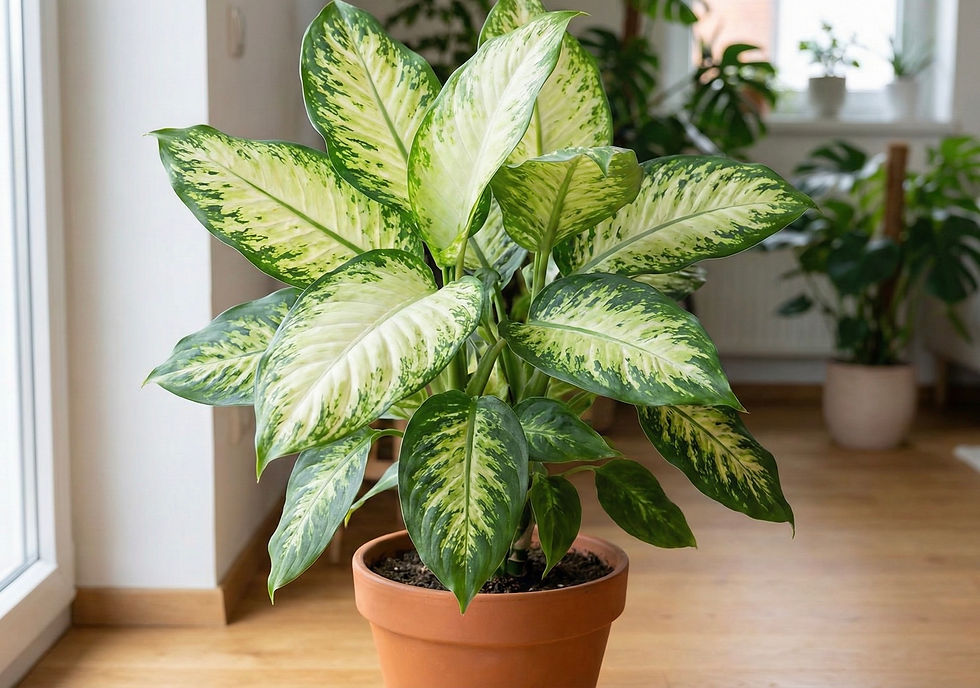
2. Dumb Cane (Dieffenbachia)
A variegated foliage plant with beautiful patterns that is easy to care for.
Key Toxin: Calcium Oxalate and protein-digesting enzymes.
Risk: More severe than the first group if the sap contacts delicate tissue.
3. Snake Plant (Sansevieria)
A very popular air-purifying plant found in almost every home.
Key Toxin: Saponins.
Risk: Moderate toxicity, but can cause distress to pets.

⚠️ Symptoms After Exposure or Ingestion
Here are the common symptoms if a dog or cat comes into contact with or ingests toxins from the plant groups listed above (especially the Calcium Oxalate group):
Oral Irritation: Excessive drooling, swollen and red mouth, crying out in pain.
Gastrointestinal System: Vomiting (possibly with blood), diarrhea, loss of appetite.
Severe Symptoms: Difficulty breathing, difficulty swallowing, or kidney failure (in the case of certain plants, such as lilies with cats).
Expert Advice: If you find that your pet has chewed on or ingested these plants, rinse their mouth immediately with clean water and quickly take them to a veterinarian, bringing a sample of the plant they ate for the most accurate diagnosis.
💡 How to Arrange Your Garden Corner to Be Safe for Both Plants and Pets
Beyond plant selection, space management is the key:
1. Tissue Culture in Glass Jars (In-vitro Decoration): This is the safest option! Placing sealed tissue culture jars on shelves or work desks for decoration prevents cats from being able to touch the plants, allowing you to admire the perfect roots and foliage without worry.

2. Terrarium (Sealed Jar Garden): Arrange small plants in a glass jar with a sealed lid. Not only does this maintain humidity well, but it also 100% prevents pets from biting or chewing on the plants.

3. Hanging Plants: Hang plants high above a cat's jumping range. This adds green space at eye level without cluttering the floor.

If you are looking for pet-safe tissue culture plants or need consultation on selecting species to bring into your home, feel free to contact us! The Thai Tissue team is happy to assist you.
🌱Other Contacts🌱
☎️ : 06-4475-7495 , 08-8629-4513
Line OA : https://lin.ee/UQFnpoN
Website : https://www.thaitissues.com/
✨ Contact us ✨
Facebook Fanpage : ไทยทิชชู – ต้นไม้เพาะเนื้อเยื่อ ( Inbox 📩)
TikTok Shop : https://www.tiktok.com/@thaitissueshop
Shopee : https://shopee.co.th/thaitissue


Comments